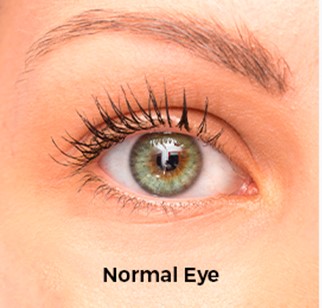
Your eyes are kept moist by tears which coat your eyes to allow you to see and focus clearly as well as making them feel comfortable and protected against any harsh weather, dust or bacteria because of the anti-bacterial properties inside the tear film.
The tear film is made of a 3 layer sandwich which coats your eye;
Inner mucin layer (secreted by the mucin cells)
Middle aqueous layer (secreted by the lacrimal and tear glands)
Outer lipid layer (secreted by the Meibomian glands in the eyelid)
Dry Eye Symptoms
Any disturbance to this tear film layer will result in dry eye symptoms;
Intermittent blurring of vision (which may improve after blinking)
Lubricant eye drops which can be in bottle or vials (preservative-free) need to be applied on a regular basis (like watering a plant) to prevent the cornea from getting dry. The frequency depends on the severity of your dryness which can vary from twice a day to every 1-2 hours
Lubricant eye ointment should be applied at night if your dry eye symptoms are severe or if your eyelids cannot close completely or if you have restless sleep patterns
Restasis eye drops (a cyclosporin medication) can help increase some tear production in certain types of dry eyes
Prevention or Do’s and Don’ts
DO wear sunglasses when out in sunny or windy places
DO apply lubricants regularly (even when you don’t feel dry) if you have dry eye risk factors
DO take regular rests when working with a computer for long periods. Remember the 20-20-20 RULE. Rest your eyes by looking at objects 20 feet away for 20 seconds after 20 minutes of intense concentration
DO stay hydrated and take high water fruits such as watermelon or papaya
DO NOT sleep directly under the fan or air-conditioner
DO NOT stay too long in a smoky or dusty environment
DO NOT over wear your contact lens or on board air planes
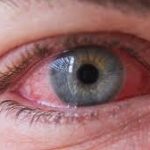
Consult an eye doctor if you have recurrent dry or red eyes
Disclaimer. TELEME blog posts contains general information about health conditions and treatments. It is not intended to be a substitute for professional medical advice, diagnosis or treatment. The information is not advice and should not be treated as such.
If you think you may be suffering from any medical condition, you should seek immediate medical attention from your doctor or other professional healthcare providers. You should never delay seeking medical advice, disregard medical advice, or discontinue medical treatment because of information on this website.
How useful was this post?
Click on a star to rate it!
Average rating / 5. Vote count:
No votes so far! Be the first to rate this post.
As you found this post useful...
Share it on social media!
We are sorry that this post was not useful for you!