Anemia (defined as having Haemoglobin less than 11g/dL) occurs when there is NOT enough red blood cells in your body to carry oxygen to the vital vital organs such as brain, heart and muscle. When these organs do not get enough oxygen, they won’t be able function properly and can result in the following symptoms for the mother;
Fatigue or easy to get tired
Feeling cold
Dizziness or headache
Fast heart rate
Shortness of breath
Pale or cold skin
Cramps or restless leg syndrome
Common types of Anemia affecting pregnant women include;
Many women (around 20 to 30%) will get some form of anaemia during pregnancy because the body needs to produce an extra blood to supply the baby. The risk for getting anemia is higher if you have the following;
Multiple pregnancy (such as twins or triplets)
Getting pregnant with short time after the previous pregnancy (poor child spacing)
Severity of Anemia. The anaemia can be classified from mild to severe depending on the Haemoglobin reading;
Normal is when the Haemoglobin is more than 11.1 g/dL
Mild anemia is 9.1 to 11 g/dL
Moderate anemia is 7 to 9 g/dL
Severe anaemia is less than 6.9 g/dL
Treatment of anaemia in pregnancy
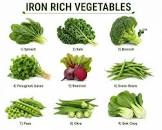
During your pregnancy journey, you should eat a healthy balanced diet rich in vitamins and iron(around 30mg per day) such as seafood, green leafy vegetables and fruits. If your blood test shows that you have anemia, you should ask your doctor about taking iron supplement and also vitamins such as Vitamin B, C and folic acid to have a healthy pregnancy.
Consult your GP Doctor or Gynaecologist during your Ante-natal visits during your pregnancy
Disclaimer. TELEME blog posts contains general information about health conditions and treatments. It is not intended to be a substitute for professional medical advice, diagnosis or treatment. The information is not advice and should not be treated as such.
If you think you may be suffering from any medical condition, you should seek immediate medical attention from your doctor or other professional healthcare providers. You should never delay seeking medical advice, disregard medical advice, or discontinue medical treatment because of information on this website.
How useful was this post?
Click on a star to rate it!
Average rating / 5. Vote count:
No votes so far! Be the first to rate this post.
As you found this post useful...
Share it on social media!
We are sorry that this post was not useful for you!
Let us improve this post!
Tell us how we can improve this post?
You May Like This
Diet & Nutrition During Pregnancy Diet & Nutrition During Pregnancy Eating well is IMPORTANT during pregnancy. A well-balance nutrition…
Premature Baby Premature baby A Pre-term baby or Premature baby is a baby who is born too…
Ante Natal Care Visit Schedule Ante Natal Care Visit Schedule Antenatal checkup are visits to monitor BOTH mother and baby’s…