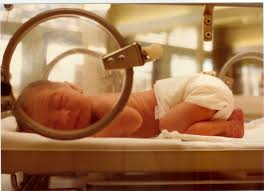
A Pre-term baby or Premature baby is a baby who is born too early. It is relatively common and can affect up to 1 in 10 pregnancies. A normal full term pregnancy lasts around 40 weeks and premature baby is defined when the baby is born earlier than 37 weeks. There are 4 categories of preterm babies which are;
Late preterm (most common category) are born between 34 and 36 weeks
Moderately preterm are born between 32 and 34 weeks
Very preterm are born before 32 weeks
Extremely preterm are born before 25 weeks
Click to view LeeHealth video on Causes of Premature
Risk factors to delivering a Pre-term (or Premature) baby
Older mothers (above the age of 35 years)
Poor mother weight gain or nutrition during pregnancy
Mother smoking or using recreation drugs / alcohol
Mother with pre-existing health conditions such as diabetes, hypertension or heart disease
Multiple pregnancies (such as twins or triplets)
Assisted Reproductive Pregnancy (such as IVF)
Having infection during pregnancy
Problems with cervix or placenta (such as placenta previa)
Health Risks of Premature babies
Premature babies may be at risk for certain health conditions because some of the organs such as the lungs, liver and eyes, are still developing in the final weeks of pregnancy and may NOT be fully formed yet at birth. The more premature the baby, the higher the risk of developing health complications. These health conditions may be life-threatening and as such most premature babies may require to be monitored in the Neonatal Intensive Care Unit (NICU) before being allowed to be together in the same ward as the mother. These conditions include;
Difficulty breathing due to Acute Respiratory Distress Syndrome (ARDS)
Difficulty staying warm
Difficulty feeding
Low birth weight
Brain (intraventricular) haemorrhage
Infection / sepsis
Bowel inflammation (enterocolitis)
Jaundice
Click to view KKWC video on Premature Baby Health Issues
Later Health Issues associated with Premature babies
Slower neurological development (including delayed speech & hearing, vision and motor milestones)
Although there is NO WAY TO PREVENT a premature birth, you can reduce the risk of premature births by attending ALL YOUR ANTENATAL CHECK-UPs so the your doctor can detect and treat any health issues (such as poor weight gain, hypertension or diabetes) early. As a mother, you can also take steps to lead a healthy lifestyle by doing the following;
AVOID alcohol, smoking or recreational drugs
AVOID mental / physical stress or heavy lifting
AVOID raw foods such as sushi or sashimi
ATTEND antenatal exercise classes to reduce risk of back aches and prepare your muscles for a safer pregnancy / delivery
EAT healthy nutritious and well-balanced meals
CONSULT your Gynae doctor when you are planning to get pregnant. Ideally you should consult your Gynae doctor BEFORE you get pregnant or else as soon as you ARE pregnant
Disclaimer. TELEME blog posts contains general information about health conditions and treatments. It is not intended to be a substitute for professional medical advice, diagnosis or treatment. The information is not advice and should not be treated as such.
If you think you may be suffering from any medical condition, you should seek immediate medical attention from your doctor or other professional healthcare providers. You should never delay seeking medical advice, disregard medical advice, or discontinue medical treatment because of information on this website.
How useful was this post?
Click on a star to rate it!
Average rating / 5. Vote count:
No votes so far! Be the first to rate this post.
As you found this post useful...
Share it on social media!
We are sorry that this post was not useful for you!
Let us improve this post!
Tell us how we can improve this post?
You May Like This
Diet & Nutrition During Pregnancy Diet & Nutrition During Pregnancy Eating well is IMPORTANT during pregnancy. A well-balance nutrition…
Anemia in Pregnancy Anemia in Pregnancy Anemia (defined as having Haemoglobin less than 11g/dL) occurs when there is…
Ante Natal Care Visit Schedule Ante Natal Care Visit Schedule Antenatal checkup are visits to monitor BOTH mother and baby’s…