Asthma affects people of all ages but usually starts during childhood. It affects around a quarter of all children and up to 15% of adults. However, only 40% of them feel that their asthma is well-controlled.
Watch video on‘What is Asthma’ video by American Lung Association
What is Asthma?
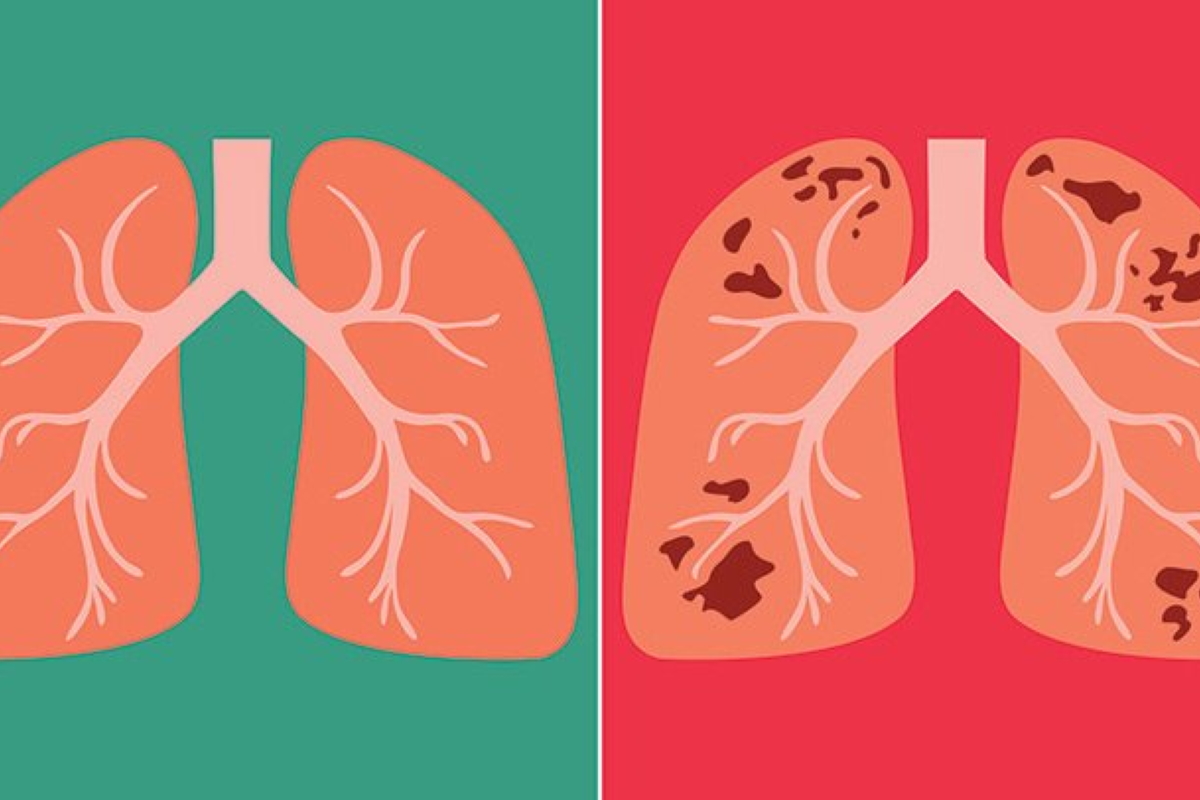
Asthma is a lung disease affecting the airways making them narrow and difficulty to breath. The narrowing is caused by the following factors:
Inflammation of the airway walls causing it to be red and swollen
Tightening of the small muscles around the airways which go into spasm (known as broncho-constriction)
Increased mucous (phlegm) secretion, which is sticky lung secretions, blocking the already narrowed airways
What are the causes of Asthma?
Although the exact cause is not known, these genetic and environmental factors are responsible
Most asthma patients have
allergies
There a family history of asthma, eczema or atopy (allergic tendency)
There is a history of lung
infections during childhood
There are also many trigger factors which make asthma worse and these include;
Allergens from dust, animal
fur, mould and pollens from grasses and flowers
Irritants such as cigarette
smoke, air pollution (haze),
chemicals (such as hairspray or paint)
Dust or dust mites
Certain preservatives in foods
or drinks
Change in temperature
(especially cold)
Physical activity such as
sports
Stress or anxiety
Any upper respiratory
infections such as cold or flu
Lack of sleep
Image AllergyAsthmaNetwork
What are the symptoms of Asthma?
Airway narrowing results in a reduction of the amount of air that can be breathed in thus causing breathlessness and wheezing (whistling sound when they breathe) in the patient. In addition, there is tightness in the chest and coughing which usually occur at night or early in the morning. When the coughing is bad, the sleep is interrupted.
Click to view JohnHopkinsMedicine video on Symptoms of Asthma
Usually, asthma symptoms are mild and resolve after minimal treatment with medication. However, symptoms can continue to get worse in some patients or result in a flare-up (or exacerbation) known as an asthma attack. It is very important to know what to do during an asthma attack because it can be fatal if left untreated (see our article on Asthma Attack).
How is asthma diagnosed by your doctor?
a) Chest X-ray to make sure there are no other issues with the lung such as infection or cancer
b) Lung functions tests to check how your lung efficiency. These include;
Spirometry which measures how much air you can breathe in and out . The test may be repeated after taking a medication to see if there is any change or improvement
Peak Flow Meter measures your ability to push air out the lungs in a single puff
Disclaimer. TELEME blog posts contains general information about health conditions and treatments. It is not intended to be a substitute for professional medical advice, diagnosis or treatment. The information is not advice and should not be treated as such.
If you think you may be suffering from any medical condition, you should seek immediate medical attention from your doctor or other professional healthcare providers. You should never delay seeking medical advice, disregard medical advice, or discontinue medical treatment because of information on this website.
How useful was this post?
Click on a star to rate it!
Average rating / 5. Vote count:
No votes so far! Be the first to rate this post.
As you found this post useful...
Share it on social media!
We are sorry that this post was not useful for you!